2026-10-12 09:45:53
Spindles and doffers are two of the most important wear components in a spindle-type cotton picker. Their condition directly affects how effectively cotton is removed from open bolls and transferred away from the picking unit.
However, cotton picker spindles and doffers should not be replaced only according to a fixed number of operating hours. Actual service life varies with field conditions, cotton variety, crop moisture, machine adjustment, cleaning, operating speed, and maintenance practices.
The better approach is to inspect these components regularly and replace them when wear begins to affect picking quality, cotton flow, or the condition of related parts.
This guide explains the common signs of spindle and doffer wear, how the two components interact, and what operators should check before deciding whether replacement is necessary.

Before discussing replacement, it is useful to understand the different roles of these two components.
The spindle is the rotating component that enters the cotton plant and engages exposed seed cotton.
Its surface is designed to catch cotton fibers so that seed cotton can be removed from the open boll.
During harvesting, spindles repeatedly contact:
cotton fiber;
plant material;
dust;
moisture;
cleaning solution.
Because of this continuous contact, spindle surfaces gradually wear.
Once cotton has been collected by the spindle, the doffer helps remove it from the spindle so it can move into the machine's conveying system.
The doffer must maintain the correct relationship with the rotating spindle.
If it is worn or incorrectly adjusted, cotton may:
remain on the spindle;
wrap around the spindle;
transfer unevenly;
accumulate inside the picking unit.
Spindles and doffers therefore work as a system. Poor performance from one component can sometimes look like a problem with the other.
Spindles should be replaced when physical wear or damage begins to reduce their ability to engage and release cotton correctly.
Several warning signs deserve attention.
A new spindle has defined surface features designed to engage cotton fibers.
With repeated use, these areas gradually become smoother.
When the barbs become excessively rounded, the spindle may have more difficulty gripping cotton effectively.
Possible field symptoms include:
more cotton remaining on open bolls;
uneven picking across a row unit;
lower picking efficiency;
the need to travel more slowly to achieve an acceptable result.
A spindle does not have to be broken before it needs replacement. Excessive surface wear alone can reduce harvesting performance.
A bent spindle should be inspected carefully and normally replaced.
A spindle that no longer rotates in its intended position may cause:
irregular contact with the doffer;
contact with moistener pads or other parts;
uneven cotton removal;
accelerated wear of surrounding components.
If bent spindles repeatedly appear in the same area, investigate the cause instead of only replacing the damaged parts.
Possible causes can include improper adjustment, contact inside the row unit, or foreign material entering the harvesting system.
Broken or missing spindles reduce the effective working area of the picking unit.
A small number may not immediately stop the cotton picker, but continued operation with multiple missing spindles can create uneven harvesting performance.
Operators should inspect all rows rather than focusing only on the most visible picking unit.
Repeated spindle breakage can indicate a deeper problem such as:
incorrect clearance;
component misalignment;
excessive mechanical contact;
damaged picker-bar components.
Machines stored for long periods in poor conditions can develop spindle corrosion.
Rust, pitting, or damaged spindle surfaces can interfere with smooth cotton engagement and release.
This is one reason preseason cotton picker inspection is important.
Spindles should be clean, correctly lubricated where required, and protected according to the manufacturer's storage and maintenance procedures.
If cotton remains on plants even though:
crop conditions are suitable;
row units are correctly aligned;
ground speed is appropriate;
moistening is functioning;
doffers are correctly adjusted;
then spindle wear should be investigated.
Do not immediately assume that poor picking means the entire picking head requires major repair. Inspect spindle condition systematically first.
Doffers also wear gradually and should be replaced when their working surfaces can no longer remove cotton consistently from the spindles.
The doffer surface must interact correctly with the spindle.
As the doffer wears, its working edges can become rounded.
This can reduce its ability to remove cotton from the spindle effectively.
Common symptoms include:
cotton remaining around spindles;
increasing spindle wrap;
inconsistent cotton transfer;
cotton accumulation inside the row unit.
If the doffer surface has lost its effective profile, adjustment alone may no longer solve the problem.
Uneven wear is especially important because it may indicate more than normal component aging.
For example, one side of a doffer showing significantly more wear can suggest:
incorrect picker-bar position;
poor alignment;
excessive spindle contact;
bearing or support problems.
Replacing the doffer without correcting the cause may result in the new part wearing quickly in the same way.
Physical damage is generally a clear reason for replacement.
Damaged doffers may:
interfere with cotton removal;
produce vibration;
damage nearby components;
create inconsistent spindle contact.
Do not continue operating a damaged doffer simply because the machine is still harvesting cotton.
Minor component damage can develop into a larger row-unit problem during a busy harvest period.
Spindle wrapping is one of the most useful symptoms to investigate when checking doffer condition.
However, wrapping does not always mean the doffer is worn.
Before replacing it, also inspect:
spindle condition;
doffer clearance;
moistener operation;
moistener pad condition;
plant residue buildup;
picker-bar position.
If these areas are correct and the doffer is visibly worn, replacement may be appropriate.
Not necessarily.
Spindles and doffers wear at different rates depending on operating conditions and machine adjustment.
Replacing both automatically may increase unnecessary maintenance costs.
Instead, inspect each system separately.
For example:
worn spindles with acceptable doffers may require spindle replacement only;
worn doffers with good spindle condition may require doffer replacement;
severe or uneven wear across both components may justify servicing the entire picking unit.
The important point is to diagnose the actual cause of reduced harvesting performance.
There is no single replacement interval that applies to every cotton picker.
Service life can vary considerably because spindle and doffer wear is influenced by:
annual harvesting area;
operating hours;
soil and dust conditions;
cotton variety;
plant moisture;
spindle cleaning;
row-unit adjustment;
operating speed;
maintenance quality.
A machine harvesting a large area under dusty or difficult field conditions may require replacement sooner than another machine with fewer operating hours.
For this reason, condition-based inspection is more useful than relying only on time or acreage.
Specific wear limits and adjustment measurements should always follow the service documentation for the relevant cotton picker model.
A useful inspection combines visual checks with actual field performance.
During preseason maintenance:
clean the picking units;
inspect every row;
rotate components according to the approved service procedure;
look for broken or bent spindles;
check spindle surfaces for excessive wear;
inspect doffer profiles;
look for abnormal contact marks;
check picker-bar condition;
inspect moistener pads.
Replacing obviously worn components before harvest is usually easier than dealing with failure during peak picking.
Monitor the machine for changes such as:
more cotton remaining on plants;
increasing ground loss;
spindle wrapping;
repeated plugging;
unusual vibration;
abnormal noise;
uneven performance between rows.
Compare row units where possible.
If one row suddenly performs differently from the others, that can help narrow the source of the problem.
Post-season inspection helps identify parts that should be ordered before the next season.
Clean the machine thoroughly and record:
damaged spindles;
worn doffers;
recurring row-unit problems;
parts replaced during the season.
Maintenance records can help operators predict future spare-parts requirements.
| Symptom | Possible Spindle Issue | Possible Doffer Issue | Other Areas to Check |
|---|---|---|---|
| Cotton left on open bolls | Worn or damaged spindles | Possible | Row alignment, speed, crop maturity |
| Cotton wrapping around spindle | Damaged or dirty spindle | Worn/incorrectly adjusted doffer | Moistening system |
| Uneven picking between rows | Uneven spindle wear | Uneven doffer wear | Row-unit adjustment |
| Abnormal contact marks | Bent spindle | Doffer alignment/wear | Picker-bar position |
| Excessive vibration | Broken/bent parts | Damaged doffer | Bearings, drive components |
| Poor cotton transfer | Possible | Likely | Airflow and plugging |
| Rapid new-part wear | Possible alignment issue | Possible alignment issue | Picker bar and clearance |
This is why replacing parts based on one symptom alone can lead to unnecessary repairs.
Normal wear cannot be eliminated, but several conditions can accelerate it.
Incorrect clearances can create excessive contact between moving components.
This increases wear and can damage both new and existing parts.
Plant gums, dirt, and residue can interfere with spindle performance.
If the moistening system is not working correctly, buildup may increase and affect both cotton pickup and release.
Poor spindle cleaning can contribute to cotton wrapping and buildup, increasing stress inside the picking unit.
Excessive speed or operation under unsuitable crop conditions can increase loads on the harvesting system.
A worn component can damage another component.
For example, continuing to operate with a bent spindle or incorrectly positioned picker bar may accelerate doffer wear.
Replacing one inexpensive wear part at the right time can sometimes prevent a more expensive repair later.
Not always.
If damage is isolated, individual spindles may be replaced according to the manufacturer's maintenance procedure.
However, if wear is widespread and relatively uniform across a picking unit, replacing many individual spindles one at a time may not be the most efficient approach.
Operators should consider:
how many spindles are worn;
whether wear is concentrated or widespread;
remaining harvest area;
expected downtime;
spare-parts availability.
If a large proportion of the picking system is approaching the end of its usable condition, planned replacement before the season may reduce repeated maintenance interruptions later.
Cotton harvest often takes place within a limited operating window.
Waiting for replacement parts after the machine has stopped can be more costly than keeping commonly used wear parts available.
Depending on machine model and expected workload, a preseason spare-parts plan may include:
picker spindles;
doffers;
spindle-related hardware;
moistener pads;
bearings;
belts;
seals;
filters;
commonly used fasteners.
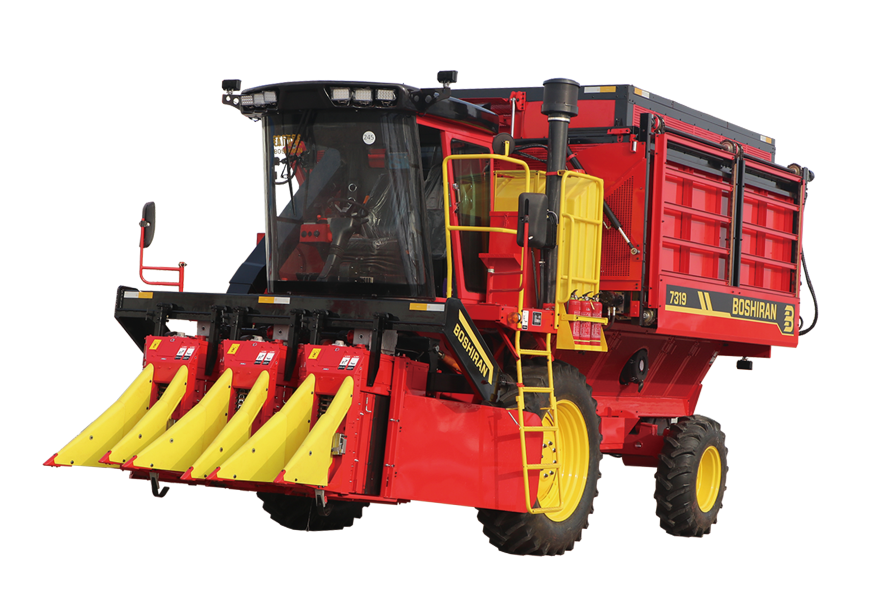
For operators using Boshiran cotton harvesters, the required spare-parts package should be selected according to the specific machine model and expected annual workload rather than purchasing generic components without confirming compatibility.
One of the most important maintenance principles is to distinguish normal wear from abnormal wear.
If one doffer is worn much faster than the others, simply installing a new doffer may not solve the problem.
Likewise, repeated spindle breakage in the same location is unlikely to be random.
Before replacing unusually worn components, inspect:
picker-bar alignment;
spindle clearance;
doffer adjustment;
bearings and supports;
moistener pad position;
signs of internal contact.
Correcting the underlying issue can extend the service life of replacement parts.
Cotton picker spindles and doffers should be replaced based primarily on their physical condition and the machine's harvesting performance, rather than a universal operating-hour interval.
Spindles should be inspected for:
worn barbs;
bending;
breakage;
corrosion;
abnormal surface damage.
Doffers should be checked for:
rounded or worn working surfaces;
uneven wear;
cracks or damage;
poor cotton removal;
abnormal contact.
Most importantly, treat spindle and doffer wear as part of the complete picking system.
When cotton remains on plants or begins wrapping around spindles, the cause may involve not only the wear parts themselves but also picker-bar position, moistening, row-unit adjustment, operating conditions, or related components.
Regular inspection, timely replacement, and keeping appropriate cotton picker spare parts available before harvest can reduce unexpected downtime and help the machine maintain consistent picking performance throughout the season.
Related Products
Discover Our Comprehensive Range of Large Agricultural Machinery Categories