2026-11-13 15:20:18
Choosing the right time to harvest cotton is important for protecting crop yield and fiber quality. Harvesting too early may leave immature bolls in the field, while waiting too long can expose open cotton to rain, wind, and other weather conditions.
There is no single harvesting date that works for every cotton-growing region. The right timing depends on boll maturity, the percentage of open bolls, crop condition, local weather, and the harvesting method.
For large-scale cotton farms and harvesting contractors, timing also affects equipment scheduling, labor arrangements, and overall harvesting efficiency. Having suitable machinery available when the crop is ready can help farms make better use of the limited harvest window.
Here are five important signs farmers should check before starting cotton harvesting.
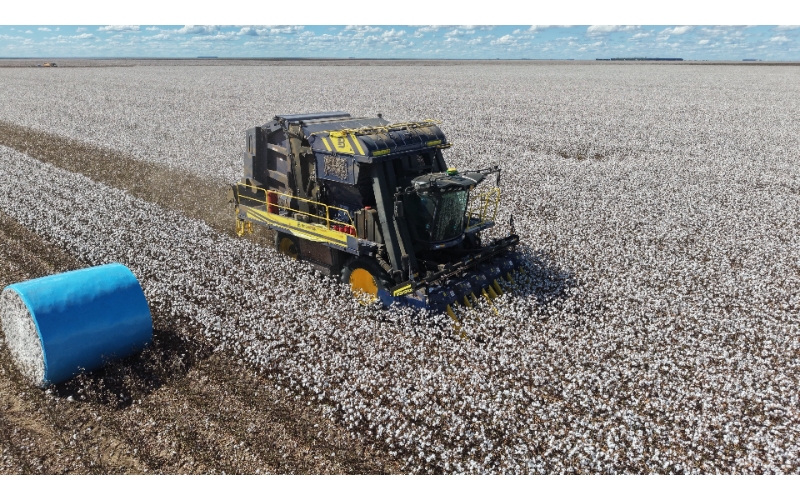
The percentage of open bolls is one of the most common indicators used to assess cotton maturity.
As cotton matures, the bolls split open and expose the white fiber inside. When a large proportion of the harvestable bolls have opened, the crop may be approaching its harvesting window.
In some cotton-growing regions, approximately 60% open bolls is used as a reference point for making harvest-aid and defoliation decisions. Some regional recommendations use a range of 50% to 75%, depending on crop conditions and local practices.
However, open boll percentage should not be used as the only indicator. Farmers also need to check whether the remaining unopened bolls are mature enough to contribute to the harvest.
Inspect several areas of the field rather than judging maturity from only a few plants. This is especially important when boll development is uneven.
For large farms managing multiple fields, differences in maturity can also affect harvesting schedules. Fields that are ready earlier may need to be prioritized so that mature cotton is not left exposed to changing weather conditions.
Open boll percentage does not always provide a complete picture of cotton maturity.
Some unopened bolls may already be mature enough to open naturally, while others may still contain immature fiber and seeds.
One practical method is to cut open a sample of the uppermost bolls that are expected to be harvested.
Look for these signs:
The seeds are well developed.
The seed coat has started to turn darker.
The developing seed does not contain a jelly-like interior.
The fiber is formed and tends to string out when the boll is cut.
A mature boll is generally firm and more difficult to cut with a sharp knife than an immature one.
Checking unopened bolls helps farmers avoid preparing the crop for harvest too early, which could affect cotton yield and quality.
For farms with uneven crop development, checking boll maturity in different sections can also help determine whether harvesting should begin across the entire field or be scheduled in stages.
Plant condition is another useful indicator when assessing harvesting readiness.
As cotton approaches the end of its growing cycle, vegetative growth slows and more of the plant's resources have gone toward boll development.
In many mechanical harvesting systems, defoliation is used before harvesting to remove leaves and improve picking conditions. Removing excessive leaves can help reduce plant material entering the harvesting system.
However, defoliation should not be based on the calendar alone.
Applying defoliants too early may affect immature bolls, while delaying the process can expose mature cotton to unnecessary weather risks.
Farmers should assess boll maturity, plant condition, and local agricultural recommendations before deciding when to apply harvest aids.
For commercial farms, the timing of defoliation should also be coordinated with equipment availability. Preparing too many fields at once without enough harvesting capacity may create scheduling pressure during the harvest season.
Even when cotton has reached maturity, weather conditions can determine whether harvesting should begin immediately or wait for a better opportunity.
Rain and high humidity can increase cotton moisture and make field operations more difficult.
Wet cotton may affect spindle picking, cotton conveying, and storage conditions. It can also increase the risk of staining and other quality problems.
Farmers should allow the crop to dry sufficiently before operating the machine. For more details, see our guide on how moisture affects cotton picker performance.
Strong winds and repeated weather exposure can affect open cotton bolls.
Cotton that remains in the field for too long may experience fiber weathering, and some lint may fall from the plants.
Once the crop is ready, farmers should monitor the forecast and avoid unnecessary delays.
Temperature and sunlight affect how quickly plants and cotton dry after rainfall or morning dew.
Harvesting under suitable dry conditions can help reduce moisture-related problems and support more consistent machine operation.
For large cotton-growing operations, weather conditions also influence how many workable hours are available. Planning field routes, equipment use, and cotton handling in advance can help reduce unnecessary downtime when suitable harvesting conditions arrive.
Crop maturity is essential, but field conditions also determine whether a cotton picker can operate effectively.
Before starting mechanical harvesting, farmers should check:
Whether most harvestable bolls have opened.
Whether the upper unopened bolls are sufficiently mature.
Whether the cotton is dry enough for picking.
Whether defoliation is complete when required.
Whether weeds and excessive green plant material may interfere with picking.
Whether the field surface allows safe machine operation.
Whether the harvesting equipment is ready.
A field with uneven crop maturity may require different harvesting schedules for different sections.
The type of harvesting equipment also matters. Spindle-type cotton pickers are designed to collect cotton from open bolls, so crop maturity and boll opening are particularly important.
Farmers can explore different cotton picking machines to compare equipment designed for different field sizes and harvesting requirements.
For large-scale cotton farms and harvesting contractors, choosing the right cotton picker is not only about harvesting capacity. It is also about completing the work within the available harvest window.
A machine should match the farm's acreage, planting row spacing, field layout, and daily operating schedule. Buyers should also consider whether a basket-type or baling cotton picker better suits their cotton handling and transportation arrangements.
For example, farms that need to collect and package cotton directly during harvesting may prefer equipment with an integrated baling system. Other operations may have different requirements based on their existing cotton collection and transportation setup.
Considering these factors before purchasing equipment can help farms avoid capacity mismatches and improve harvesting arrangements.
Finding the right harvesting window means balancing crop maturity with weather and operational conditions.
Harvesting before enough cotton has matured may result in:
Immature bolls remaining unharvested.
Lower potential cotton yield.
Incomplete boll opening.
More difficult harvesting operations.
Possible reductions in fiber and seed quality if harvest aids are applied prematurely.
Farmers should confirm that the uppermost harvestable bolls are sufficiently mature before beginning crop preparation and harvesting.
Delaying harvest after cotton is ready can also create problems:
Open cotton remains exposed to rain and wind.
Fiber may deteriorate due to weather exposure.
Cotton may fall from open bolls.
Wet field conditions can delay machinery operations.
Harvesting and drying schedules may become more difficult to manage.
For large cotton farms, delays can affect more than the condition of the crop. If several fields are ready at the same time, insufficient machinery or poor equipment scheduling may make it difficult to complete harvesting within the ideal period.
The objective is to harvest within a suitable window after the crop reaches maturity, rather than waiting unnecessarily for every last boll to open.
For farms managing large cotton-growing areas, harvesting time also affects equipment scheduling and labor arrangements.
If several fields reach maturity within a short period, insufficient harvesting capacity may create delays. Equipment breakdowns, long transportation distances, and poor coordination between picking and cotton handling can further reduce the time available for harvesting.
Planning equipment availability, maintenance, field routes, and cotton handling in advance can help farms make better use of the harvest window.
Harvest planning is particularly important for farms and contractors operating multiple machines or serving several fields during the same harvesting season.
Before starting the harvest, farmers can use the following checklist to assess field conditions.
| Inspection Item | What to Check |
|---|---|
| Open boll percentage | Most harvestable bolls have opened |
| Boll maturity | Remaining harvestable bolls are sufficiently mature |
| Seed development | Seeds are well developed without a jelly-like interior |
| Plant condition | Crop growth has slowed and defoliation is appropriate when required |
| Cotton moisture | Cotton is sufficiently dry for harvesting |
| Weather forecast | No significant weather risk is expected during the planned operation |
| Field conditions | Rows and soil conditions allow safe machine operation |
| Equipment readiness | Cotton picker and key components have been inspected |
| Harvesting schedule | Equipment and labor are available when the field is ready |
Use this checklist together with local agricultural recommendations and actual field inspections. Harvest readiness can differ between fields, even within the same farm.
When evaluating cotton harvesting equipment, buyers should consider more than the machine's rated productivity.
Farm acreage, planting row spacing, field conditions, cotton handling requirements, and local service support all influence the final decision. The right configuration should match the actual operating conditions rather than simply choosing the machine with the largest capacity.
Boshiran offers different cotton picker configurations, including 3-row and 6-row round-bale cotton pickers, as well as other harvesting solutions for different field requirements.
For farms that want to combine picking and baling in one operation, the Boshiran 4MZD-4A self-propelled cotton picker with baler is one option to explore.
Buyers can also visit the Boshiran cotton picker product range to review available machines and compare configurations based on their farm size and harvesting needs.
Choosing suitable equipment and preparing the harvesting schedule in advance can help farms make better use of the harvest window.
The best time to harvest cotton is when the crop has reached suitable maturity, most harvestable bolls are open, and field and weather conditions allow efficient mechanical harvesting.
Farmers should not rely on a single indicator or fixed calendar date. Regular field inspections, boll maturity checks, and weather monitoring provide a more reliable basis for harvesting decisions.
For commercial farms and harvesting contractors, preparation should also include equipment selection, maintenance, labor arrangements, and cotton handling plans.
Proper harvest timing combined with suitable machinery can help farmers protect cotton quality, reduce avoidable losses, and make better use of the harvesting season.
Related Products
Discover Our Comprehensive Range of Large Agricultural Machinery Categories