2026-11-11 13:40:00
These losses are not always easy to notice while a machine is working across a large field. Measuring them regularly helps farmers understand how much cotton is being left behind and identify where harvesting performance can be improved.
This guide explains where cotton harvesting losses occur, how to measure them in the field, and what practical steps can help reduce unnecessary losses.
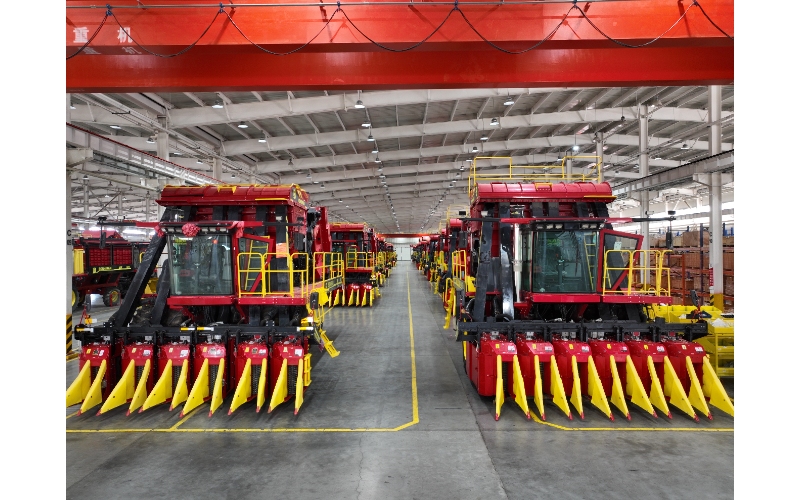
Cotton harvesting losses generally occur in three main areas.
Some cotton may remain attached to the plants after the picker passes through the field.
This can happen when:
Cotton bolls are not fully open or are difficult to pick.
Spindles fail to collect cotton effectively.
Picking units are not properly adjusted.
Machine speed is too high for the crop conditions.
Cotton left on the plants is one of the most visible signs of incomplete harvesting.
Cotton can also fall to the ground during mechanical harvesting.
Possible causes include:
Cotton bolls being disturbed during machine operation.
Poor picking performance.
Excessive ground speed.
Crop conditions that make cotton more difficult to collect.
Ground losses can be difficult to recover, especially when harvesting takes place over large areas.
Cotton may also be lost while moving through the machine's picking, conveying, and collection systems.
Worn components, improper adjustments, or problems with cotton conveying can affect how effectively harvested cotton reaches the collection system.
Regularly checking the machine and its key components helps identify these problems before they cause greater losses.
Field sampling provides a practical way to estimate how much cotton is being left behind during harvesting.
A simple method is to collect and weigh the cotton remaining in a measured area after the picker has passed.
Choose several locations across the field rather than measuring only one spot.
Sampling areas should represent different field conditions, including areas with normal crop growth and areas where harvesting performance appears weaker.
For example, a 100-square-foot sampling area can be used for a simple field estimate.
After the cotton picker passes, collect the cotton left on the plants and the cotton dropped on the ground within the sampling area.
Keep the two types of loss separate if you want to identify where most of the cotton is being lost.
Use a suitable scale to weigh the remaining cotton from each sampling area.
Record the results and calculate the average if several samples are taken.
A simple calculation can estimate the amount of cotton left in the field per acre:
Cotton loss per acre = Cotton collected in the sample area × 43,560 ÷ Sampling area (sq ft)
For example:
Sampling area: 100 sq ft
Cotton remaining: 0.5 lb
Estimated cotton loss: 0.5 × 43,560 ÷ 100 = 217.8 lb per acre
This is a simplified field estimate. Actual results can vary depending on sampling locations, cotton moisture, crop conditions, and the measurement method.
For more reliable results, take samples from multiple locations and compare the results rather than relying on a single measurement.
Several factors can increase cotton harvesting losses. Understanding these factors makes it easier to identify the right adjustments.
Operating too quickly can reduce the time available for the picking units to collect cotton effectively.
If ground speed is not matched to crop conditions, more cotton may remain on the plants or fall to the ground.
Farmers should adjust operating speed according to cotton growth, field conditions, and machine performance.
Picking performance depends on the condition and adjustment of the picking units.
Incorrect settings or worn components can reduce picking effectiveness and increase cotton loss.
Regularly inspect the picking system and follow the manufacturer's operating recommendations.
Cotton fields are not always uniform. Differences in plant height, row spacing, cotton density, and boll opening can affect machine performance.
Areas with uneven growth may require closer attention and adjustments to harvesting operations.
Harvesting too early may result in a large number of unopened or immature bolls.
Waiting too long can also increase the risk of weather exposure and cotton loss.
Farmers should monitor boll opening, crop maturity, and local weather conditions to determine an appropriate harvesting window.
Reducing cotton harvesting losses requires attention to crop conditions, machine settings, and regular field inspections.
Different farms have different harvesting requirements. Field size, row spacing, planting conditions, and harvesting capacity should all be considered when selecting equipment.
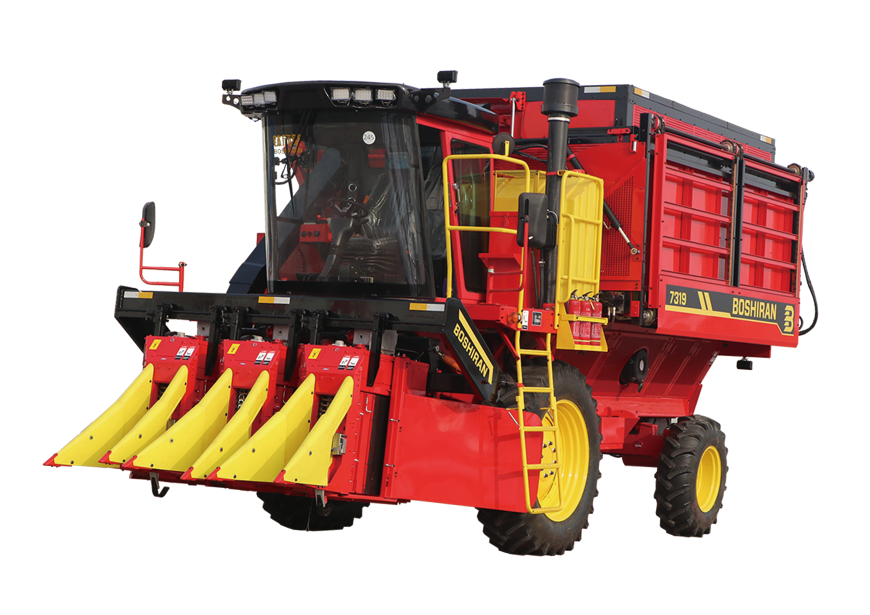
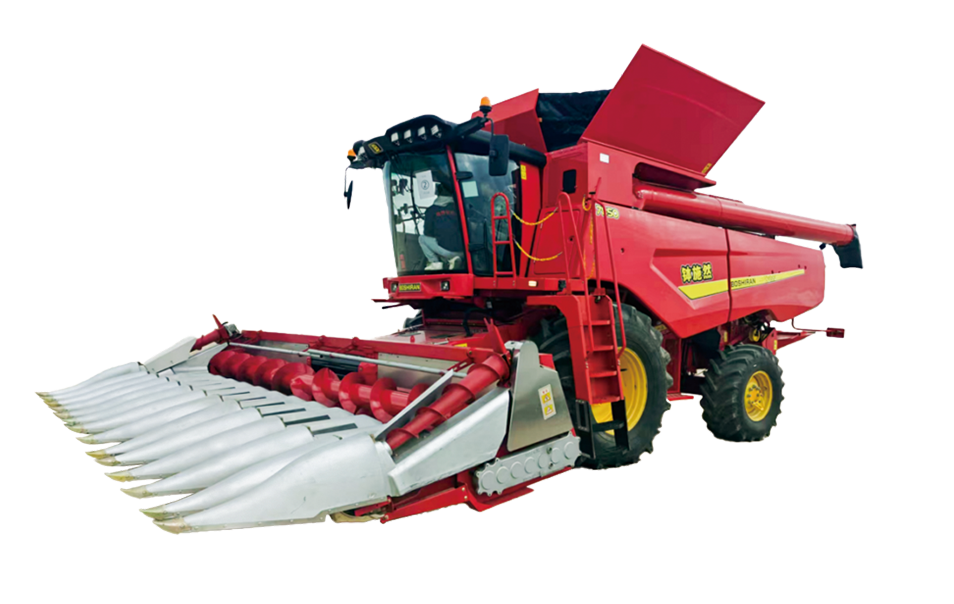
Boshiran provides different cotton picking machines for different field operation requirements.
For large-scale operations, a self-propelled cotton picker with an integrated baler combines picking, conveying, baling, and cotton discharge in one workflow.
Avoid using the same ground speed in every field.
Adjust the speed according to crop density, boll opening, field conditions, and observed picking results. If too much cotton remains on the plants, check whether the current operating speed is suitable.
Check picking units, spindles, doffers, and cotton conveying systems regularly.
Worn or damaged components can affect cotton collection and increase unnecessary losses.
Following proper cotton picker maintenance and after-sales service can help maintain stable machine performance throughout the harvesting season.
Do not evaluate harvesting performance based only on the machine's operating speed or the number of acres completed.
Inspect different areas after the picker passes and measure the remaining cotton regularly.
If losses are consistently higher in certain areas, check crop conditions, machine settings, and operating practices to identify the cause.
Cotton harvesting losses affect more than the amount of cotton collected. They also influence harvesting efficiency, operating costs, and the overall use of farm resources.
Regular field measurements help farmers:
Identify areas with poor picking performance.
Detect machine adjustment problems earlier.
Compare harvesting results between different fields.
Make better decisions about operating speed and machine settings.
Reduce avoidable cotton losses during the harvest season.
Improving harvesting performance is not simply about increasing operating speed. It is about collecting more usable cotton while maintaining stable machine operation and controlling unnecessary losses.
For more practical information, read our guide on how to improve cotton harvesting efficiency with a modern cotton picker.
By combining field measurements, proper machine adjustments, and regular maintenance, farmers can better control cotton harvesting losses and improve overall harvesting results.
Related Products
Discover Our Comprehensive Range of Large Agricultural Machinery Categories