2026-08-21 17:23:00
A cotton picker can cost from hundreds of thousands to more than one million US dollars depending on the machine type, harvesting capacity, configuration, brand, and market requirements. The final cotton picker price is influenced by many factors, including the number of picking rows, basket or baling system, engine power, automation level, shipping costs, and after-sales support.
For buyers planning to purchase a cotton picker machine, the equipment price is only one part of the total investment. A reliable evaluation should also include operating costs, maintenance requirements, spare parts availability, and long-term harvesting efficiency.
This guide explains what determines cotton picker cost, why prices vary between machines, and how buyers can choose the right harvesting solution for their farms.
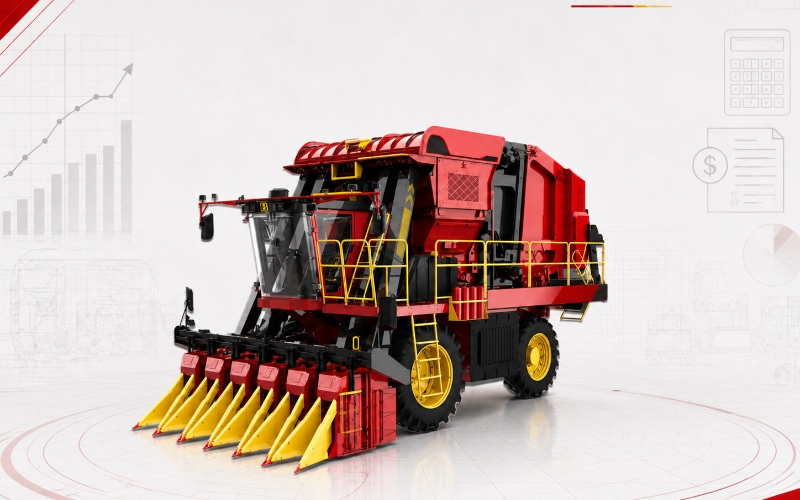
The cost of a cotton picker varies significantly because cotton harvesting machines are not standard agricultural products with a fixed price.
A cotton picker price depends on:
machine size;
harvesting rows;
cotton collection system;
engine power;
picking system design;
automation features;
production location;
shipping destination;
service requirements.
Generally, a smaller basket cotton picker will have a different investment level compared with a large multi-row baler cotton picker equipped with integrated cotton packaging technology.
For international buyers, the final quotation may also include:
export packaging;
transportation;
spare parts packages;
operator training;
technical support.
Therefore, asking only “How much does a cotton picker cost?” is usually the starting point of the purchasing process rather than the final answer.
A more useful question is:
What type of cotton picker provides the lowest total cost for my harvesting operation?
The number of rows is one of the most visible differences between cotton picker models.
Common configurations include:
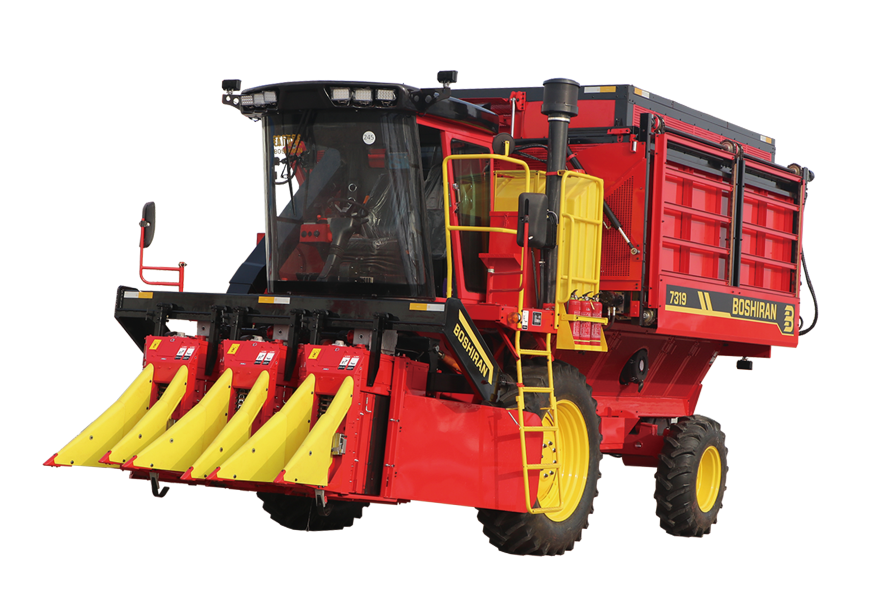
3-row cotton picker;
4-row cotton picker;
6-row cotton picker.
A machine with more picking rows generally requires:
a larger frame;
more picking units;
higher engine power;
stronger transmission systems;
larger supporting components.
As a result, larger-row cotton pickers usually require a higher investment.
However, more rows do not automatically mean a better choice.
A farm should consider:
annual cotton acreage;
field size;
harvest window;
transportation conditions;
available operators.
A smaller machine that matches the farm scale may provide better overall economic value than a larger machine that is underutilized.
The cotton collection system is another major factor affecting price.
As discussed in the previous article, cotton pickers are commonly divided into:
basket cotton pickers;
baler cotton pickers.
A basket cotton picker stores harvested cotton in an onboard basket. Its structure is relatively simpler because it does not include an integrated baling system.
A baler cotton picker adds cotton packaging capability, forming cotton bales during harvesting.
The additional baling system requires:
more mechanical components;
more complex control systems;
additional manufacturing technology.
Therefore, baler cotton pickers generally require a higher initial investment.
However, the higher purchase cost may be justified for farms that need:
reduced field handling;
fewer supporting machines;
improved harvest continuity;
lower dependence on seasonal labor.
The right choice depends on the complete harvesting system rather than the machine price alone.
Engine power directly affects cotton picker manufacturing cost.
A higher-power machine usually includes:
larger engine systems;
stronger drivetrain components;
higher-capacity hydraulic systems;
larger harvesting structures.
However, horsepower should not be evaluated separately.
A high-power cotton picker may cost more because it supports:
more picking rows;
larger cotton storage;
onboard baling;
heavier machine structures;
additional automation systems.
When comparing prices, buyers should ask:
What functions does the additional power support?
A machine with higher horsepower may provide value if it improves harvesting efficiency, but unnecessary power can increase investment and operating costs.
The picking system is one of the most important parts of a cotton picker.
The quality of components such as:
picking units;
spindles;
drums;
doffers;
cleaning systems;
can influence:
harvesting performance;
cotton loss;
maintenance frequency;
service life.
A lower-priced cotton picker may reduce initial investment but create higher operating costs if components require frequent replacement or adjustment.
For commercial farms, reliability during the short cotton harvest season is often more valuable than simply choosing the lowest purchase price.
Modern cotton pickers may include different levels of technology.
Examples include:
electronic monitoring systems;
intelligent control systems;
automatic adjustment functions;
operator assistance systems;
advanced cab environments.
These features can improve:
operating convenience;
machine management;
harvesting consistency.
However, they also influence the overall cotton picker price.
Buyers should evaluate whether these features provide practical value based on their operating environment.
When researching cotton picker prices, many buyers also compare new and used machines.
Both options have advantages and limitations.
A new cotton picker offers:
latest technology;
full manufacturer support;
lower early maintenance risk;
longer service life;
available spare parts.
For farms planning long-term mechanized harvesting, a new machine may provide better operational stability.
However, the initial investment is higher.
A used cotton picker may offer:
lower purchase cost;
faster access to harvesting equipment;
lower initial investment.
However, buyers should carefully check:
machine operating hours;
spindle condition;
maintenance history;
replacement parts;
previous working environment;
A lower purchase price does not always mean a lower total cost.
A machine requiring major repairs before harvest can create unexpected expenses and downtime.
Many buyers focus only on the equipment quotation but overlook additional expenses.
A complete cotton picker investment may include:
For international buyers, consider:
ocean freight;
inland transportation;
insurance;
port handling.
Large agricultural equipment requires careful logistics planning because machine dimensions and weight can significantly affect shipping costs.
Cotton pickers operate under demanding field conditions.
Important spare parts may include:
spindle-related components;
belts;
filters;
hydraulic parts;
wear components.
Before purchasing, buyers should confirm:
spare parts availability;
maintenance support;
technical documentation;
service response.
A cotton picker is a complex agricultural machine.
Proper operation affects:
harvesting efficiency;
cotton loss;
fuel consumption;
component wear.
Training and technical support can therefore influence the long-term value of the investment.
Because cotton picker prices vary widely, suppliers usually need specific information before providing an accurate quotation.
Buyers should prepare:
cotton planting area;
annual harvesting volume;
field size;
terrain conditions;
row spacing.
required number of rows;
basket or baler preference;
expected harvesting capacity;
operating environment.
destination country;
shipping requirements;
spare parts needs;
local service expectations.
Providing these details helps manufacturers recommend a suitable configuration instead of simply quoting the largest or most expensive machine.
Not necessarily.
The most expensive cotton picker may include the highest capacity and most advanced features, but it may not be the most suitable choice for every farm.
A better purchasing decision considers:
expected annual usage;
labor conditions;
field characteristics;
available support equipment;
maintenance capability;
return on investment.
For example:
A medium-sized farm with moderate cotton acreage may achieve better economic results with a simpler basket cotton picker.
A large commercial farming operation may benefit more from a higher-capacity baler cotton picker.
The best cotton picker is the one that matches the farm's actual harvesting requirements.
Boshiran provides self-propelled cotton harvesting solutions designed for different cotton production requirements.
The product range includes different configurations such as:
basket cotton pickers;
baler cotton pickers;
different row configurations.
By offering multiple harvesting solutions, Boshiran helps customers select equipment based on:
farm scale;
field conditions;
cotton handling requirements;
operational goals.
For buyers researching cotton picker price, understanding the relationship between machine configuration and harvesting needs is the first step toward making the right investment decision.
The cost of a cotton picker depends on much more than the machine itself.
Factors such as:
harvesting rows;
cotton collection system;
engine power;
picking technology;
automation level;
transportation;
maintenance support;
all influence the final investment.
Instead of choosing a cotton picker based only on purchase price, buyers should evaluate the complete harvesting system and long-term operating value.
A properly selected cotton picker can improve harvesting efficiency, reduce operational challenges, and provide better returns throughout the machine’s working life.
Related Products
Discover Our Comprehensive Range of Large Agricultural Machinery Categories