2026-11-16 09:15:12
How many acres can a cotton picker harvest in one day? The answer depends on the machine's working width, operating speed, field efficiency, and the amount of time available for harvesting.
A modern cotton picker can cover a large area in a single day, but its actual output varies significantly between farms. Field layout, crop conditions, unloading requirements, and machine downtime all affect daily productivity.
For farm owners, agricultural contractors, and equipment buyers, understanding daily harvesting capacity is important when planning equipment purchases and estimating how many machines are needed during the harvest season.

There is no single daily capacity that applies to every cotton picker. A useful way to estimate output is to start with the machine's effective field capacity in acres per hour.
For reference, Cotton Incorporated published typical field capacity estimates for several cotton harvesting systems:
| Cotton Harvester Type | Field Capacity | Estimated Output in 8 Hours |
|---|---|---|
| Six-row round module-building picker | 8.0 acres/hour | 64 acres |
| Six-row basket picker | 7.3 acres/hour | 58.4 acres |
| Older six-row basket picker | 6.2 acres/hour | 49.6 acres |
These figures are based on specific harvesting system configurations and research conditions. They are useful for understanding potential field capacity, but should not be treated as guaranteed daily output for every machine or farm.
The actual number of acres harvested may be lower when the machine needs to stop for unloading, turning, maintenance, or other field operations.
Farm operators can estimate daily output using a simple formula:
Daily Harvesting Capacity = Effective Field Capacity × Effective Harvesting Hours per Day
For example, if a cotton picker averages 6 acres per hour and spends 8 hours actively harvesting:
6 × 8 = 48 acres per day
However, an eight-hour working shift does not always mean eight hours of actual harvesting. Time spent turning at the end of rows, unloading cotton, checking equipment, and handling minor repairs must also be considered.
This is why effective harvesting hours are more useful than total working hours when estimating daily capacity.
For more accurate planning, operators should record the actual area harvested and the time spent on each field operation over several working days.
Several factors determine how many acres a cotton picker can harvest in a day.
The number of picking rows determines how much field width the machine can cover in one pass.
A six-row cotton picker generally has a wider working width than a three-row or four-row machine when row spacing is the same. This gives it the potential to cover more acres in the same amount of time.
However, a wider machine does not automatically guarantee higher daily output. Small or irregular fields may require more turning, while narrow access roads and field boundaries can limit maneuverability.
Choosing the right configuration requires matching the machine to the farm's planting pattern and field size. See our guide to 3-row vs 4-row vs 6-row cotton pickers.
Ground speed directly affects how quickly a cotton picker moves through the field. However, operating at a higher speed is not always the best way to increase productivity.
Cotton height, plant density, boll distribution, lodging, and field conditions can all affect picking performance. If the machine moves too quickly under unsuitable conditions, it may leave more cotton on the plants or increase harvesting losses.
Operators should select a suitable ground speed based on crop conditions and machine performance rather than focusing only on covering more acres per hour.
Long, regular fields generally allow a cotton picker to operate continuously with fewer turns.
In contrast, small, irregular, sloping, or uneven fields may require more maneuvering and reduce effective field capacity.
Soil conditions also matter. Wet or soft ground can limit machine movement and delay harvesting operations.
Cotton handling can have a significant effect on daily output.
Traditional basket cotton pickers may need to stop or coordinate with additional equipment to unload harvested cotton. These operations take time and can interrupt harvesting.
A cotton picker with an integrated baling system can pick and form cotton bales in one continuous workflow. This reduces some of the additional handling steps and can help maintain more consistent field operations.
The actual benefit depends on the machine design, field conditions, and the farm's transportation and storage arrangements.
Unexpected breakdowns, worn picking components, blocked systems, and incorrect machine settings can reduce productive working time.
Regular inspections and timely maintenance help reduce avoidable interruptions. An experienced operator can also improve daily output by adjusting speed, monitoring crop conditions, and managing field operations efficiently.
For more practical guidance, see our article on how to improve cotton harvesting efficiency.
Machine specifications and actual field records can provide useful references when evaluating cotton harvesting equipment.
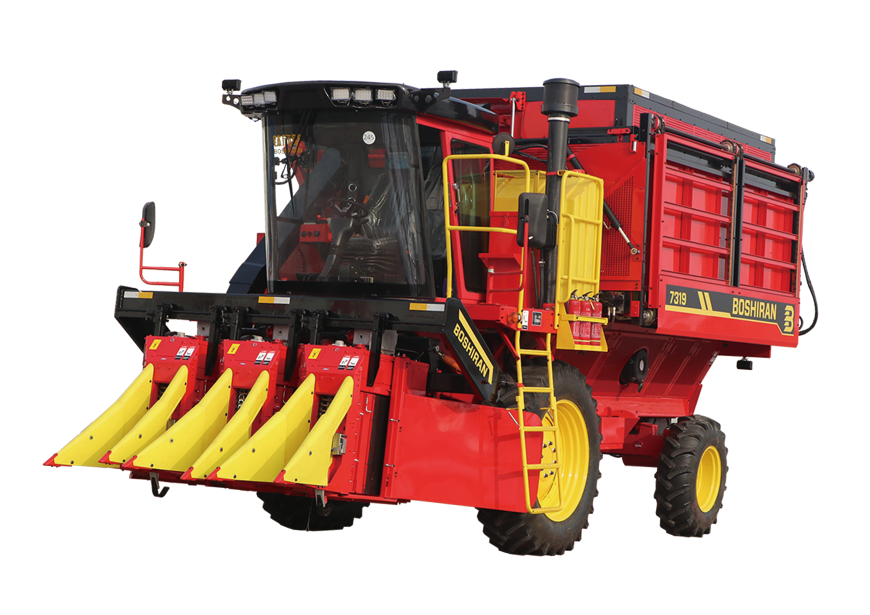
For example, Boshiran's 6-row self-propelled cotton picker with baler lists a pure working-hour productivity of 26–35 mu per hour, equivalent to approximately 4.3–5.8 acres per hour.
The manufacturer notes that this figure is based on prototype operation under specific flat, hardened test-site conditions. Actual field output will vary with crop conditions, field layout, operating time, and other factors.
Boshiran has also reported overseas operating experience. During the 2026 cotton harvest in Brazil, one machine recorded a peak single-day operating area of 700 mu, or approximately 115 acres.
This was a recorded peak-day result under local operating conditions, not a standard daily capacity for all cotton pickers.
For farms evaluating equipment, these figures should be considered alongside the machine's row configuration, working conditions, cotton handling system, and local operating requirements.
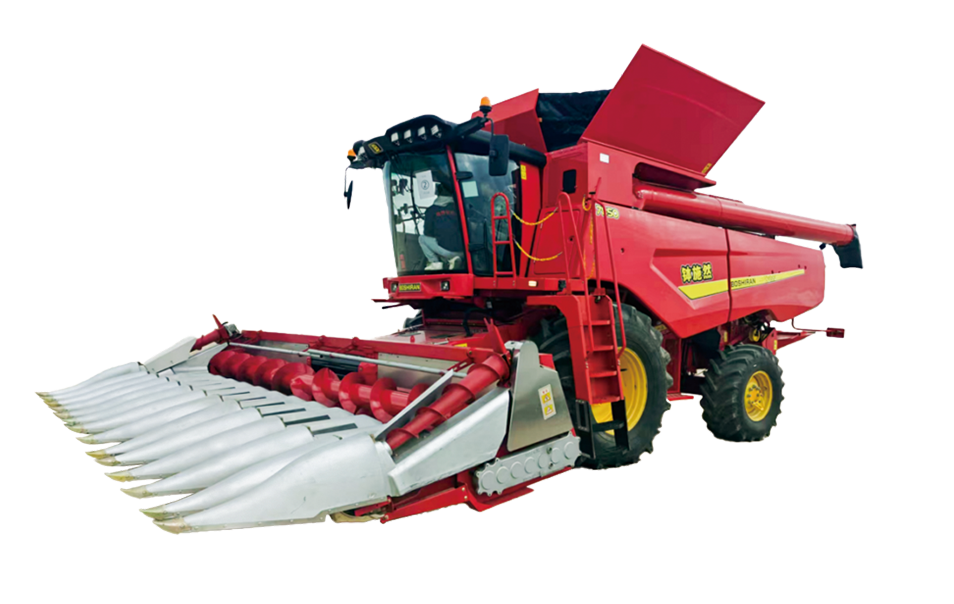
You can explore Boshiran's 6-row cotton picker with baler and its other cotton picker models to compare available configurations.
The number of machines required depends on the total cotton acreage and the number of suitable harvesting days.
A simple planning formula is:
Required Daily Capacity = Total Cotton Acres ÷ Available Harvesting Days
For example, a farm with 1,000 acres of cotton and 15 available harvesting days needs to harvest approximately 67 acres per day.
If one machine cannot consistently meet this target under local field conditions, the farm may need a higher-capacity machine, additional equipment, or a longer harvesting schedule.
When evaluating equipment, buyers should consider:
Total cotton acreage to be harvested
Expected daily harvesting target
Available harvesting days
Field size, row spacing, and terrain
Cotton unloading, baling, and transportation arrangements
Maintenance support and spare parts availability
The best cotton picker is not necessarily the machine with the highest theoretical capacity. It is the machine that can reliably meet the farm's harvesting requirements under actual working conditions.
Related Products
Discover Our Comprehensive Range of Large Agricultural Machinery Categories